
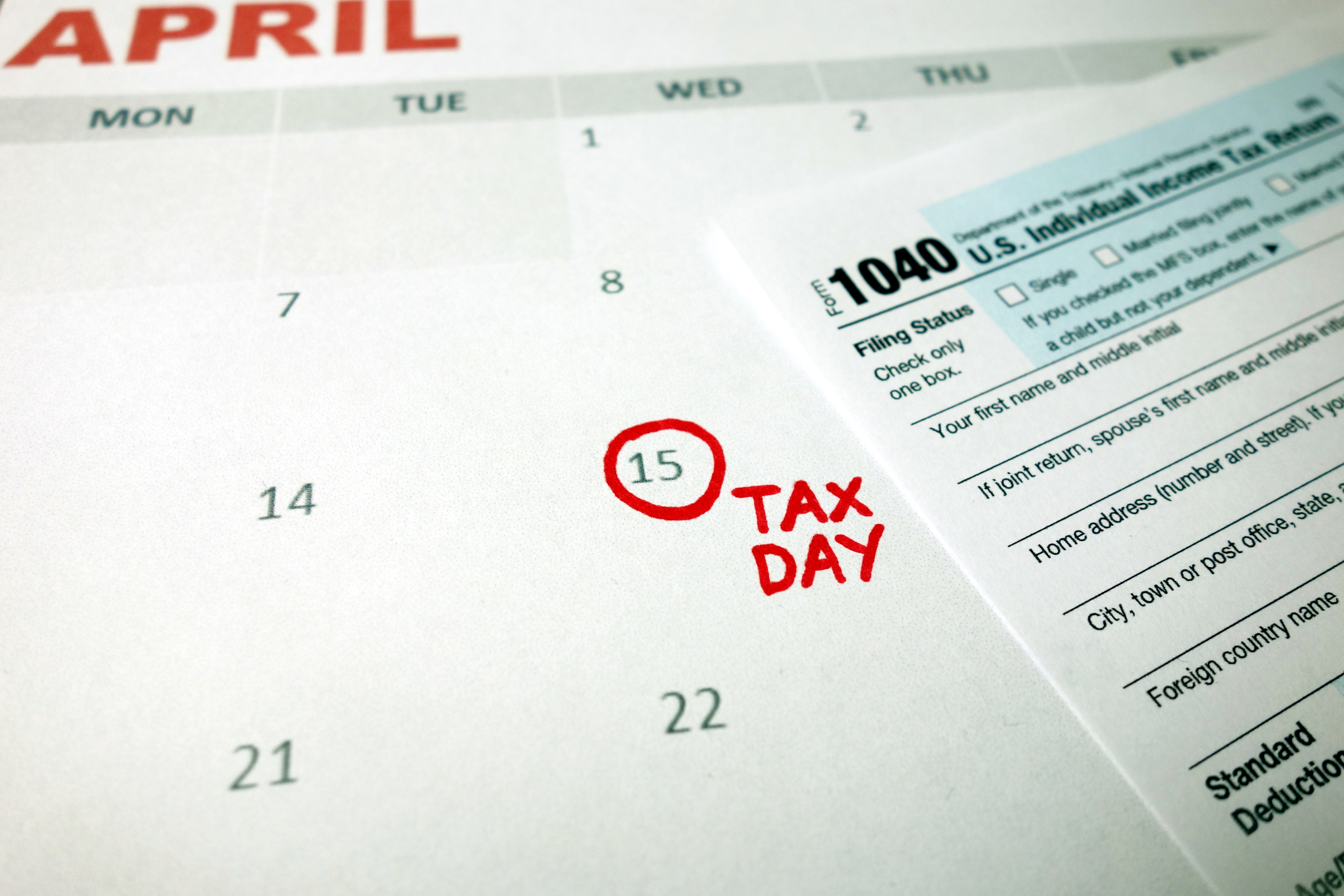


Happy (/s) Tax Day! Today is another good opportunity to talk about what legislators in Olympia just signed our state up for.
When the federal income tax was created in 1913, the top rate was 7%, and it only applied to income above $500,000. This amounts to roughly $16 million in today’s dollars, and only about 2% of households were expected to pay anything. The pitch was that this was a tax on the genuinely wealthy and that working people would never have to worry about it.
That promise lasted about five years. By 1918, the top rate was 77%, and within a generation, the federal government was withholding money from every paycheck. The narrow tax on tycoons turned into the universal tax we all know today. That’s the pattern at the federal level, and every state with its own income tax has a similar story: start small and gradually expand the tax until it impacts almost everyone.
Washingtonians will likely experience this too if the income tax is not overturned in court or repealed at the ballot. Progressive lawmakers have relied on the same recycled talking points to pass the 9.9% income tax this previous legislative session. “It will only impact the very rich.” “It will not touch you.” “Trust us.”
If you want to know what progressive lawmakers actually anticipate the future of this tax to be, look beyond the press releases and read the bill’s fiscal note. Olympia isn't preparing to tax a few thousand people; they are preparing to tax a state.
The Department of Revenue (DOR) plans to hire close to 300 new employees to administer this new tax. The hiring ramps up this year and continues to climb year after year. The government does not build a 300-person bureaucracy to process tax returns from a few thousand millionaires. Olympia clearly expects to process returns from a much larger pool of filers in the near future. DOR’s ability to administer this tax already assumes growth that the public-selling version of this tax does not justify.
Additionally, the fiscal note shows administrative costs increasing from roughly $10 million in fiscal year 2027 to about $85 million in 2029. At steady state, once the buildout phase is over and the agency is running normally, that likely translates to $50–$60 million per year in ongoing labor and operational costs. Projecting that out - Washington taxpayers are looking at well over $600 million in DOR administrative spending in the first decade of this tax, and that’s before the threshold is inevitably dropped or audit expansion drives those numbers higher.
Outside of the fiscal note, the bill itself is loaded with tells like this.
- There is language designed to block a referendum so voters cannot weigh in directly, now.
- Public pension income is taxable.
- Married filers get hit harder than two single people earning the same income.
- The charitable deduction is capped at $100,000, which is well below the federal equivalent and a real disincentive for the kind of major giving Washington nonprofits depend on.
- There is no meaningful loss carryforward for the kind of volatile income this tax targets.
None of these are policy choices of lawmakers who intend for the income tax to remain narrow.
And it gets worse. Governor Ferguson admitted on signing day that the new tax does nothing to address the current budget shortfall. The supplemental budget closes our 2026 shortfall by draining the rainy-day fund, raiding the Public Works Assistance Account, and quietly assuming a future $880 million sweep of LEOFF 1 pension assets to balance the four-year outlook.
When the next shortfall arrives in 2027, the legislature will have very few levers to pull to address it. Since the current majority has shown zero inclination to cut spending, that means taxes must increase, and the income threshold will likely drop. One million will become $500,000, then $250,000, and eventually it will land on ordinary wage earners with a token exemption to keep the political messaging tidy. Every state that has ever gone down this path has followed the same arc. There is no reason to believe Washington is going to be any different, especially with 300 DOR employees on the payroll waiting for something to do.
Two things stand between today and that future.
First, the Citizen Action Defense Fund lawsuit, with Phil Talmadge and Rob McKenna on the legal team, will test whether Culliton v. Chase still means what it has meant for 93 years.
Second, the repeal initiative will give voters the chance, for the twelfth time, to affirm that we do not want an income tax in Washington state.
Both fights matter, in the courts and at the ballot, because once an income tax is collected and the bureaucracy is built, the tax threshold’s slide down the income bracket is inevitable.
So, as you finish your federal return today, remember that every income tax in American history began as a “temporary” or “narrow” levy on the few. Unless Washingtonians act now, today’s tax on the wealthy is simply tomorrow’s tax on you.