
As millions of fans around the world tune in to the World Cup and travelers pour into the United States, they are experiencing far more than football, ahem soccer. They are discovering American communities, food, culture, and the people who produce it. That global exchange offers an opportunity to reflect on what makes American agriculture unique, why Washington's farms are connected to the rest of the world, and what we can learn from seeing our country through the eyes of visitors who have come to celebrate "the beautiful game."
There is a certain irony to the world’s favorite pastime being played in the United States during our celebration of 250 years of independence.
America, along with Canada and Mexico, is hosting Fifa World Cup ’26 in the first-ever expanded version of the tournament that included 48 teams from around the globe. Group play, or 12 groups of four teams each playing three matches to determine the top two teams in each group, concluded just over a week ago. Now, the playing for keeps has begun with teams having to win their matches to remain in the tournament.
In total, 104 matches will be played during Fifa World Cup ’26 with the final scheduled for July 19.
The World Cup is a grueling challenge for teams lucky enough to represent their countries. There are few breaks between game days, immense pressure once knockout matches start, and the eyes of the world are watching these athletes as they pursue the ultimate prize in global soccer.
What does soccer have to do with agricultural policy? A few things.
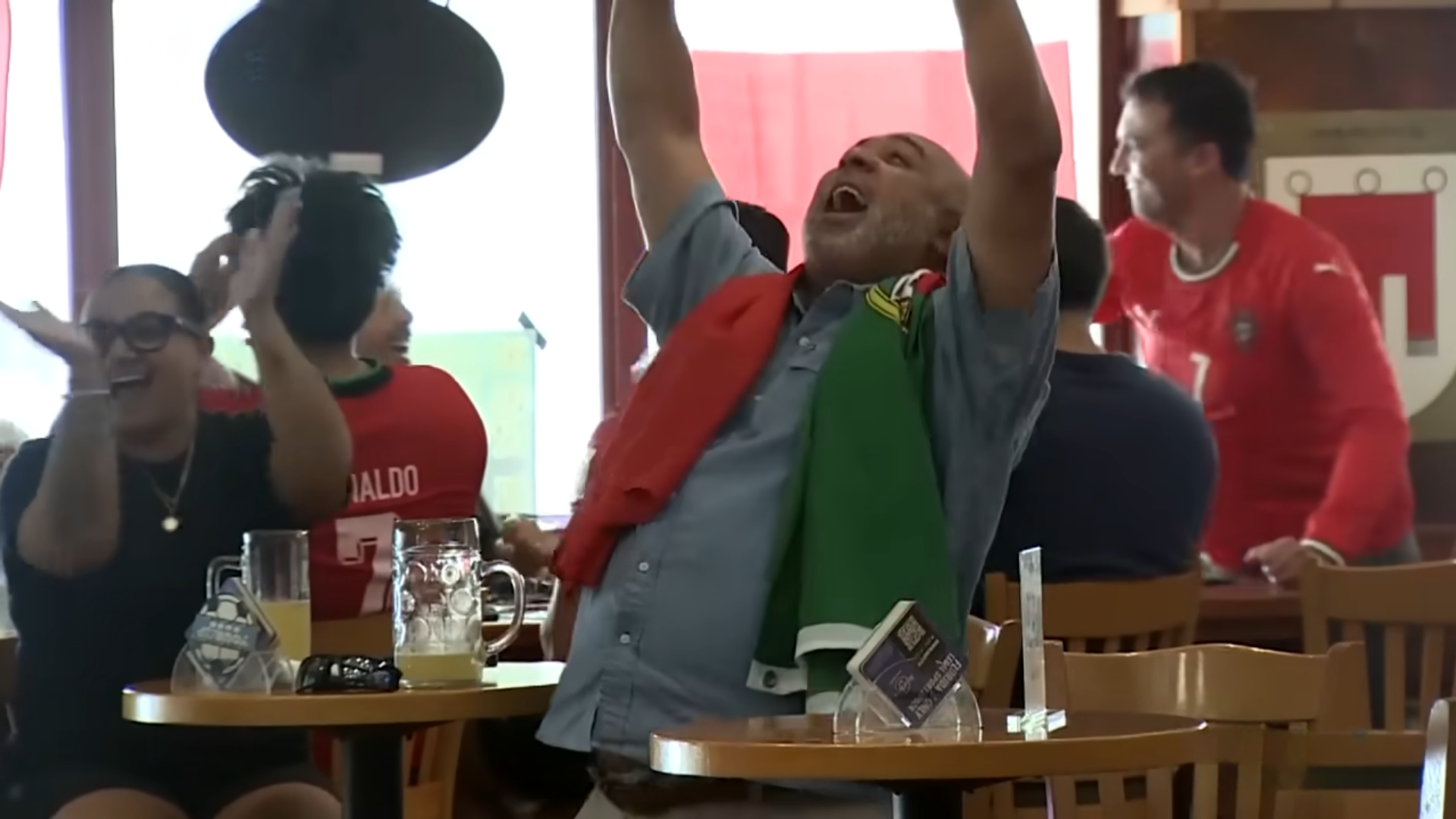
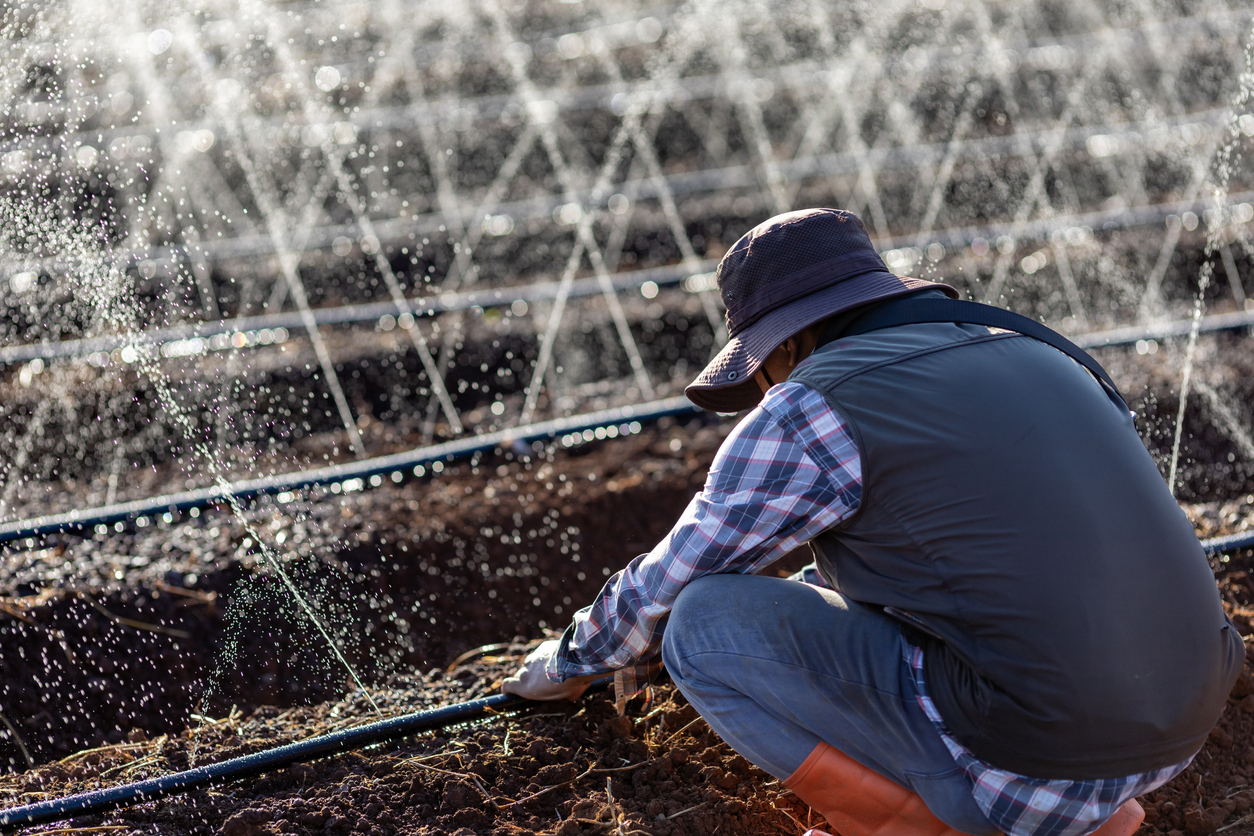
Washington state surged to third in the nation for H-2A farmworker visa hires during the first half of this year. Our farmworkers are a multicultural melting pot, many of whom have a profound love for “the beautiful game” and come from all parts of the globe including some of the countries represented by World Cup competitors. Earlier this year, during an H-2A farmworker intake at a local tree fruit farm, one of the questions fielded by farm staff was whether workers would have access to television channels broadcasting World Cup games in June and July. The cheers were resounding when the answer was, “yes.”
The world has taken to American cuisine, too. Japanese tourists in Texas have sampled the BBQ of the Lonestar State. Europeans from various countries have extolled the virtues of ranch dressing and called for its export across the Atlantic. One German soccer fan has even gone viral after a late-night exploration of the wonders of Waffle House. Look up “World Cup snack ideas” and riffs on “American” foods abound with some sounding more tasty than others.
All this exposure to a global experience gives us a unique opportunity to remember a few key things as we head into the Fourth of July weekend and this year’s election cycle.
First, it is easy to forget how unique we are. Much of the European Union heavily subsidizes food producers while ruling them with an iron grasp, causing their way of life to diminish at a rate that is as alarming as the one in Washington state. However, unlike the U.S., in the EU it is a system-wide approach to agriculture, meaning every country is subject to the same stringent rules and has little opportunity to effect change. Here in Washington state, we have the power to find solutions for our farms and ranches.
Second, no country operates in total isolation. Agriculture is a global enterprise. Producers must consider how to optimize their operations based on the needs and trends of local and global markets. Every farm and ranch must pay attention to what is occurring both down the road and on the other side of the world to make the best possible decisions.
Third, go somewhere beyond your backyard. If World Cup fans have taught us anything, it should be that there is value in visiting somewhere new. Some of the travelers from around the world may have ventured to the U.S. with trepidation. From the reviews, America has passed the hospitality test with flying red, white, and blue colors, and our guests will return to see us again. We should return the gesture and find time to be brave enough to see the world beyond our borders.
Finally, there is no time like the present to set our sights on the goal of allowing farmers to share their products with the world and live a lifestyle they love. Washington state’s farms and ranches have declined dramatically in recent years. We have the opportunity to reawaken them by investing in youth who are interested in livestock and plant production, supporting local food production rather than villainizing it, and educating people who are concerned about how food production benefits the environment, transportation, and other sectors in our state.
The world is watching the World Cup ’26 right now with its eyes trained squarely on the U.S. Even after the stadiums are emptied of people and the fervor has faded, the lessons of this year’s tournament should remain for us all. We should take to heart the excitement, the delight, and the inquisitiveness brought to our country, to our food, by people who have never experienced it before and use it as motivation to remember why the U.S. agricultural sector is something worth fighting for.