

In May, Oregon voters overwhelmingly rejected a package of tax increases that included a 6 cent-per-gallon gas tax hike and higher vehicle title and registration fees. The repeal passed with 83% of the vote, an unusually lopsided result in a state where Donald Trump received just 41 percent two years earlier.
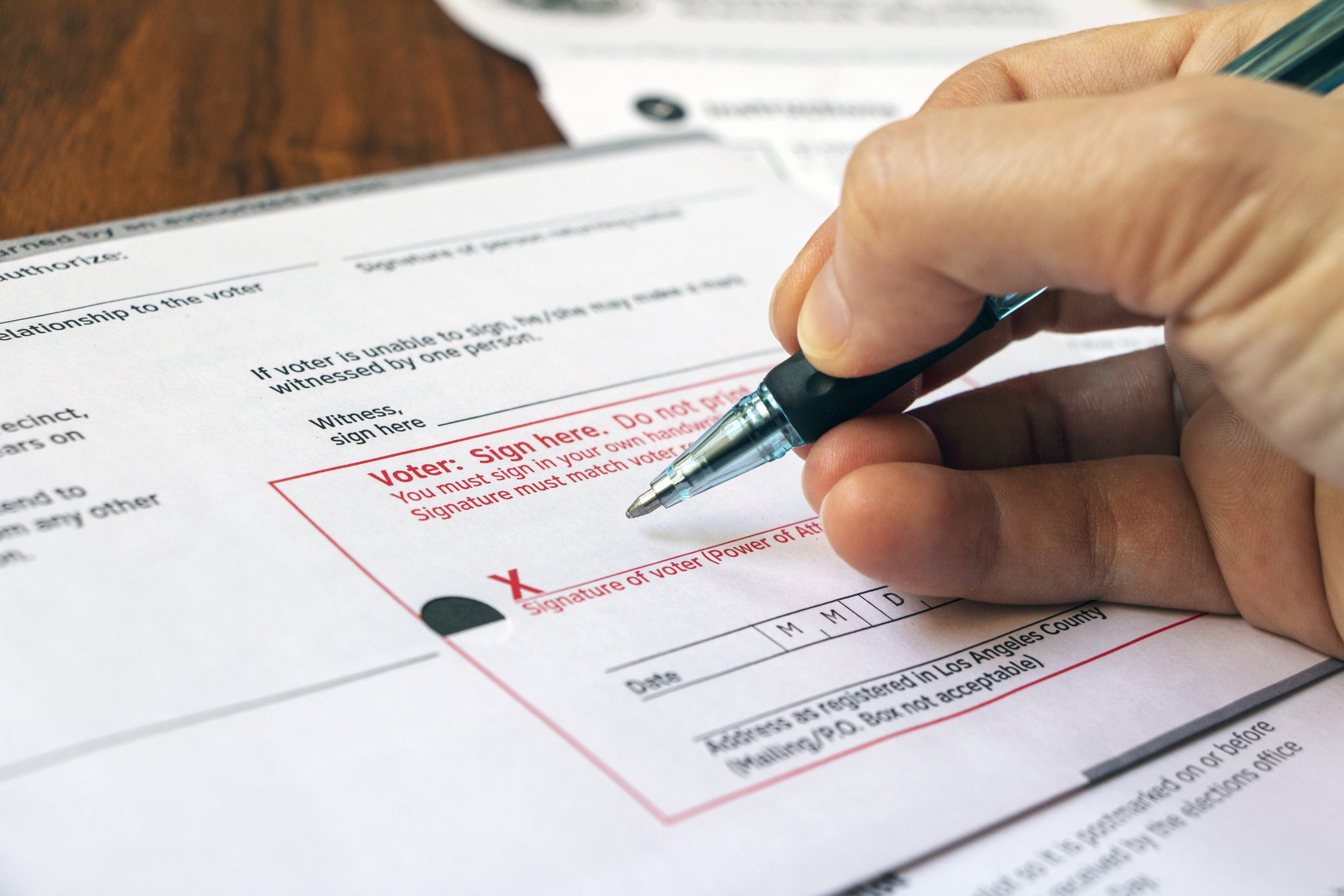
The vote came soon after the Oregon secretary of state’s office began purging the election rolls of about 800,000 inactive voters in response to a settlement with Judicial Watch. Announcing the purge of the first batch of about 140,000 records to be removed, the secretary of state’s office stressed that “Inactive voters do not receive ballots,” adding, “Because their registrations were inactive, no ballots were sent to these individuals between 2017 and today.”
Some still worry that leaving inactive records opens a door to mistakes or fraud. Citing Jason Snead of the Honest Elections Project, a Fox News story warned, “When states fail to keep up, Snead says, voter rolls become bloated and outdated, making elections harder to administer and increasing the risk of errors and abuse.” The problem, he explained, is “especially serious in mail-in voting states like Oregon,” because “automatically mailing ballots while failing to routinely clean voter rolls makes it more likely that ballots will be sent to people who are no longer eligible, including those who have moved or died.”
May’s election results provide an opportunity to test the hypothesis that cleaning the voter rolls impacts election outcomes.
We should note that the margin for the gas tax repeal was so large that even if all 800,000 ineligible voters had voted “yes,” it would still have been adopted! The final result was 1,012,663 votes to repeal the increase in gas taxes and other fees, and 207,066 votes to keep the taxes, a margin of 805,597 votes. No amount of voter fraud involving inactive voter registrations could have reversed this result.
Even if the presence of ineligible vote records didn’t make a difference here, they might make a difference in future races where a limited number of votes could be critical. Additionally, when it comes to voting, a perceived lack of transparency creates opportunities for mistrust. As long as there are secret ballots, there will always be questions about vote counting, but keeping voter rolls clean can help reduce questions about vote integrity.
To test that, we looked to see if any of the voters removed this year cast ballots in 2024, revealing that ineligible voters had voted illegally, contrary to the claims of the Secretary of State.
Since the disputed elections in Washington’s governor race in 2004, there have been many questions about the potential impact of voter fraud on election outcomes. Sometimes those claims have merit but in other instances claims are made without evidence. The removal of the records in Oregon and the dramatically different results in the 2024 and 2026 elections provides the rare opportunity to use actual data to test the claim that votes cast illegally had an impact on the outcome of an election.
To test that, I compared the unique voter IDs of all 138,223 inactive voters who were removed this year to the 2.1 million people who voted in 2024. To confirm the accuracy of the check, I added some deleted records I knew would match those who voted in 2024. The check found all of them, showing that the test would catch anyone who had been removed and had voted in 2024.
Of those who were removed, zero – not a single one – cast a ballot in 2024. The failure to remove ineligible voters didn’t have an impact in 2024 or in the gas tax repeal in 2026.
There are three important takeaways from this finding.
First, there are many inactive voters that should be removed. It’s important to understand the desire not to disenfranchise eligible voters, but those who haven’t voted in a decade should be removed. Doing so reduces the risk and suspicion of voter fraud.
Second, those who claim vote fraud is influencing elections must show evidence of actual fraud. Often, claims are based on hypothetical possibilities, not actual evidence. The legitimate argument that ineligible voters should be removed was used to insinuate that the existence of those records is “especially serious” because it could lead to vote fraud. Oregon’s actions provided an opportunity to test that hypothesis and the result was definitive – zero ineligible voters cast ballots.
Finally, Oregon’s gas tax repeal demonstrates that if you have a good issue and clear messaging, you can earn popular support even in a difficult political environment. The frustration of losing elections leads people to look for what caused those results. It is enticing to believe that the public agrees with us, so we don’t need to change anything. We tend to think, “If the election had been fair my correct ideas would have carried the day.”
The data suggests that voter sentiment — not administrative mechanics — drove the outcome. Explanations that distract from the real drivers of election outcomes are counterproductive because they take focus away from the real, difficult underlying causes of policy dysfunction. Understanding the reasons people support certain policies and changing minds is hard. But if we truly want to make our state better, we must grapple with those difficult realities.
The right to have our votes counted fairly is fundamental to our democratic system of government. Illegal voting dilutes that right and the state secretaries in Washington and Oregon must ensure that only eligible voters receive ballots and only lawful votes are counted.
Oregon’s repeal of the gas-tax increase also shows that voters can be persuaded when they see the consequences of bad policy. Changing Washington state’s direction will require more than questioning election outcomes. It will require understanding why voters disagree and showing them there is a better path for our state.
By transparently keeping voter rolls clean, secretaries of state can help ensure election debates are focused on the choices on the ballot rather than how the ballots are counted.