

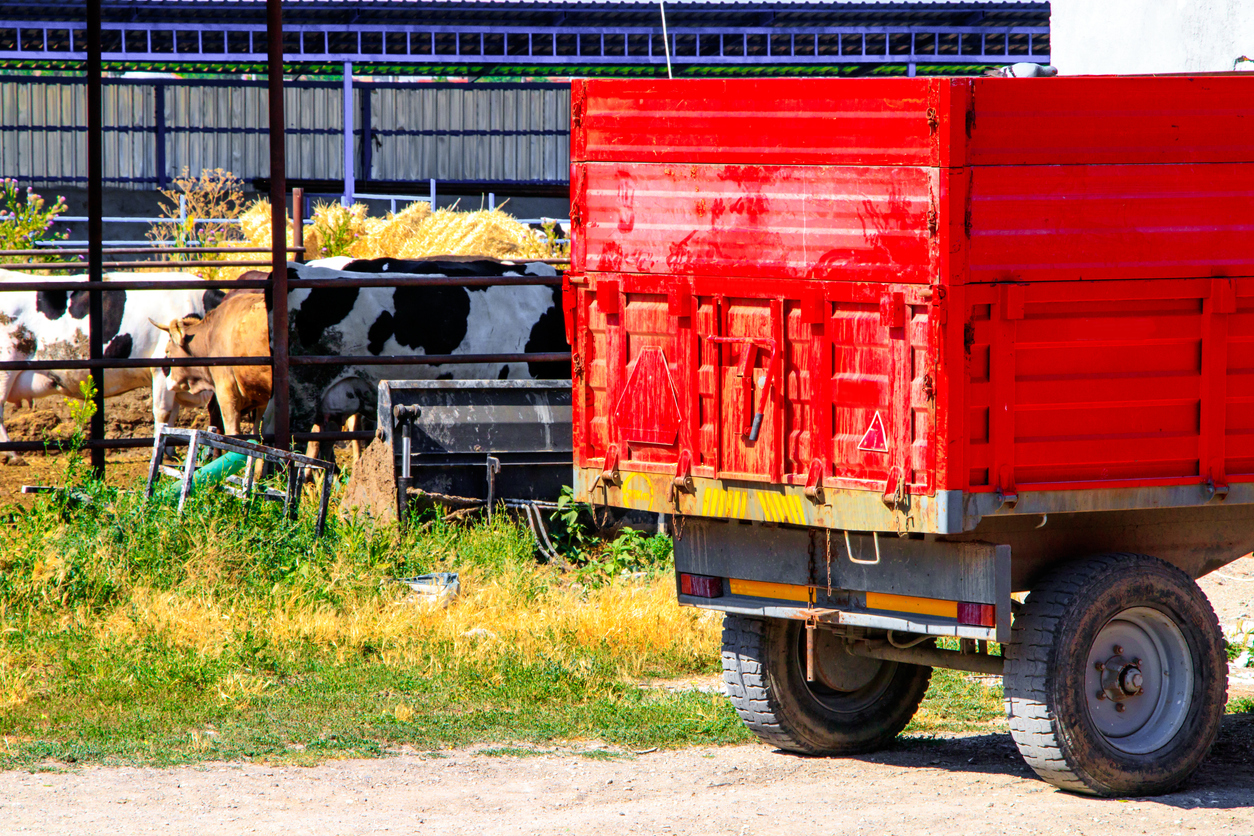
In the dim glow of a yard light and the bright glare of a flashlight, an FFA advisor, an aunt, a mom, a grandma, and a teenager cleaned up the remnants of tailgate veterinary medicine. A pack of feral dogs had been dispersed after attacking two show goats and a “farm team”* assembled to respond to the situation because there were no large animal veterinarians available.
While there is no tracking data to determine how many large animal vets practice in Washington state, a write-up from last fall suggests the shortage is severe and ongoing. The lack of large animal vets in our state even caught the attention of Olympia and prompted the passage of EHB 1705, a bill to study why there is such a shortage and how to fix it. A final report was due out June 30 of this year but only the interim report appears to be available.
Per state and federal rules, all “medically important antibiotics,” “medicated feeds,” and “prescription pain relief” require a veterinary prescription and, in some cases, administration by a veterinarian. While there are good reasons for restricting access to medications – drug abuse, incorrect administration – and they are regulated because of these reasons. A severe lack of large animal veterinarians also leaves livestock raisers in a no-win scenario trying to humanely care for their animals.
For example, after livestock are attacked by predators, common practice includes cleaning the wounds and administering a single dose antibiotic to stave off infection that may have spread beyond the visible wound. If a large animal veterinarian cannot be reached, livestock owners must rely on their best topical clean-up work.
The preliminary report to the work group noted large animal veterinarians may be in short supply in part because of the difficulty of the work, the long, lonely hours, and the lack of familiarity of recent grads with large animals. Anecdotally, retired large animal veterinarians have also noted the difficulty in making their practices profitable in both the short- and long-term as livestock are sometimes not viewed as pets but, rather, part of a farm or ranch operation.
Solutions to the problem lie in training, communication, and incentivizing the work. For many livestock raisers, “doctoring” the minor injuries of their animals is a part of life on a farm or ranch. Supplies like disinfectant, spray on fly deterrent, and wound ointment are on hand as stop-gaps against these minor injuries that occur during daily farm and ranch life.
One stop-gap measure Washington State University and the state should explore is offering training courses in conjunction with livestock raisers’ associations in basic veterinary triage. Offering a daylong course that gives farmers and ranchers hands-on experience and training cleaning and stitching wounds, caring for long-term injuries, and other minimally invasive care techniques, would alleviate a significant burden on rural communities and minimize animal health risks.
Offering access to a small “veterinary kit” of supplies to course participants who pass the training would further help to ease the number of animal emergencies in Washington’s rural communities. Allowing participants to purchase supplies including curved and threaded stitching needles, bottles of iodine, antibiotic ointment, pain medicines, antifungal sprays, and other essentials for an at-home triage kit would increase overall animal health while decreasing stress, financial strain, and pressure on the limited veterinary resources currently available.
Creating an online listing of practicing large animal veterinarians with contact information would also be helpful. When emergencies arise that require care beyond the abilities of farmers and ranchers, trained or otherwise, having a quick reference list of who they might call can sometimes be the difference between life and death. Better communication of what services are available, and where, has the potential to alleviate concerns across the industry, particularly for new and young producers.
Finally, the preliminary report notes our state does little to make large animal veterinary medicine appealing to incoming students. Washington is one of just six states studied that does not offer a student loan repayment program. Additionally, other incentives like grants for new/expanded facilities and equipment, access to outside resources, and expansion of our DVM programs are not offered either.
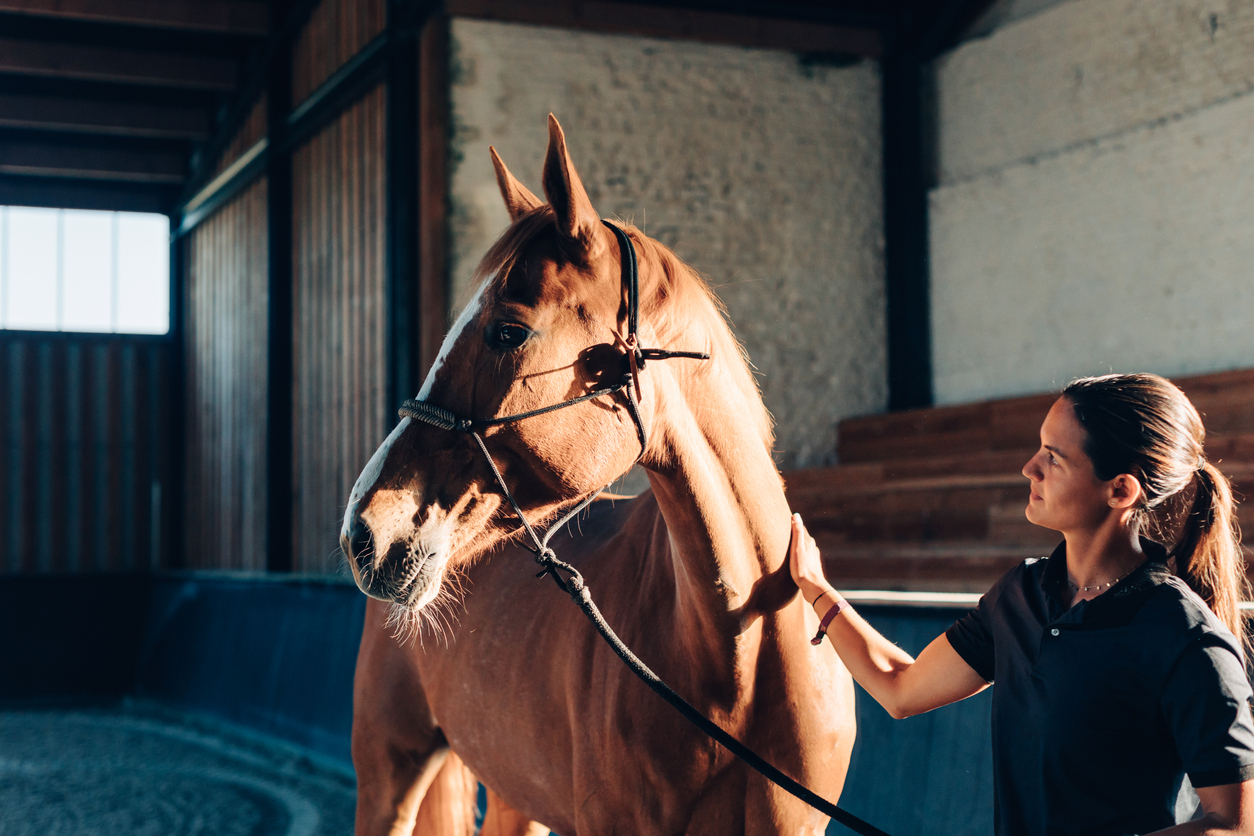
Large animal veterinarians are of critical importance to our food supply. Without someone to help farmers and ranchers keep their herds and horses healthy and safe from infection and disease, we will soon find ourselves struggling in yet another agricultural sector. Providing training for farmers and ranchers to address the day-to-day needs of their animals independently clears the pathway for veterinarians to attend to the emergencies that occur every day. Developing the incentives to create large animal veterinarians who can respond to those emergencies is the final piece of the puzzle. Now is the time to start getting those pieces together to make a better picture for our livestock community.
*Author's note: The "farm team" did good work that evening and the two show goats are doing just fine after their brush with the pack of feral dogs; happily munching away at their grain and grass, with a few treats mixed in for extra speedy recovery.