
On the heels of an announcement to allow 300,000 tons of beef into the U.S. without tariffs, the President announced late last week that the Administration was looking to “allow farmers and ranchers to be given the right to process their own food.”
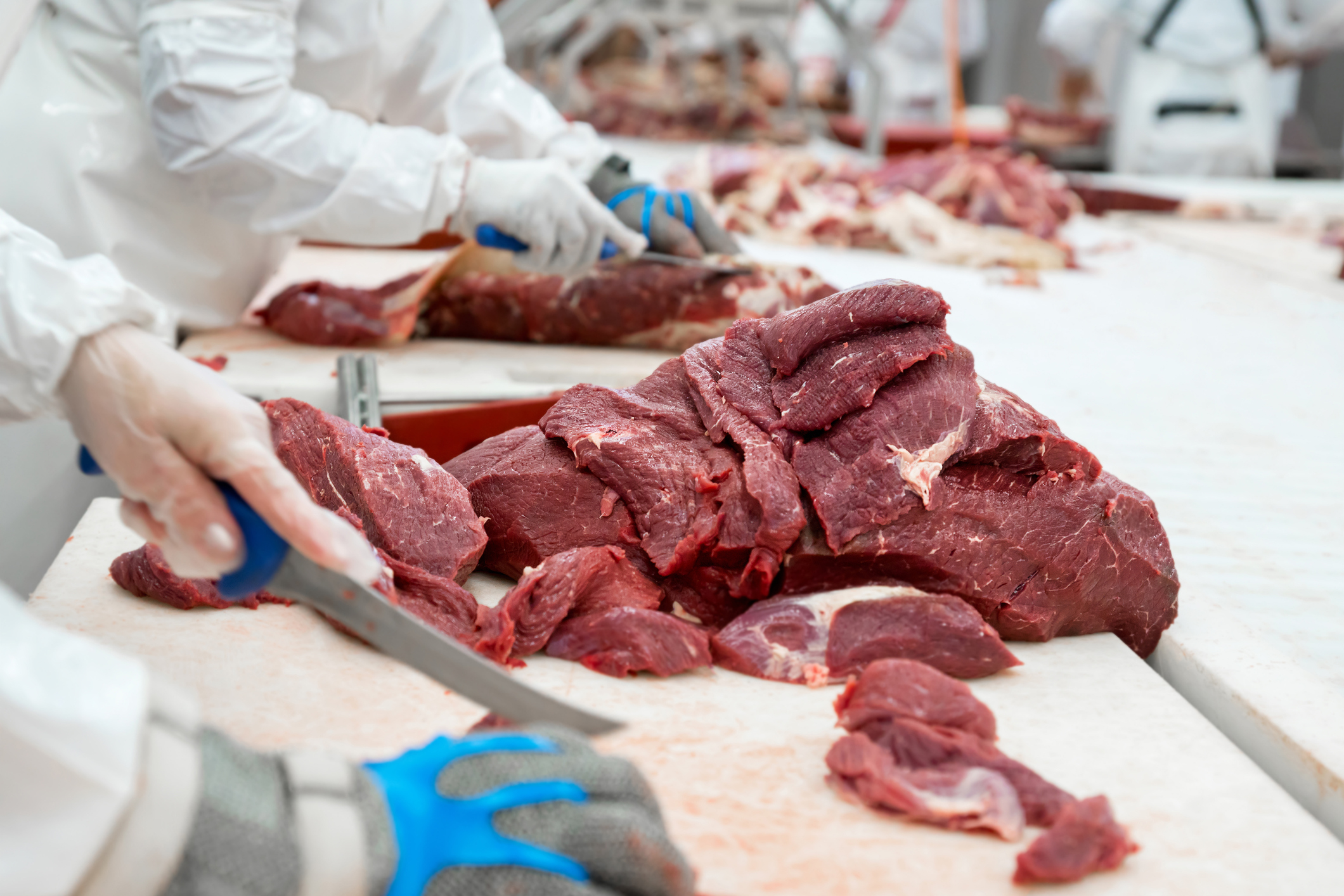
According to the President’s announcement on Truth Social, the goal of the deregulation plan is to address the perceived monopoly in meat packing by the “Big 4” (JBS, Tyson, Cargill, and National Beef). However, recent data shows packers are losing overall market share in the processing space and there is nothing to suggest that more regional, state-based meat processors will alleviate the need for more cattle overall.
If the Administration truly wanted to alleviate the processing bottleneck in the marketplace, it would stop trying to manipulate the market with additional imports of ground beef and work toward ensuring all state-inspected facilities were brought to U.S. Department of Agriculture (USDA) inspection standard so there was parity in requirements, allowing meat from state-inspected facilities to be sold via interstate commerce. The Processing Revival and Intrastate Meat Exemption Act, or PRIME Act, before Congress is a good template for starting down the path to state-USDA parity because it would allow state-inspected facilities to sell meat direct to consumers rather than the meat prepared being sold only to the person who brought the animal in for harvest.
The decentralization of the Big 4 has been occurring for a number of years. At the peak of packer consolidation in 2015, Tyson processed just under 30% of all meat in the U.S. In 2026, JBS “leads” the Big 4 in U.S. processing with 22% of the market while small, private processors account for 24% of total processing. With nearly a full quarter of meat processing being done by private facilities across the U.S., the market is already doing its job and spreading the wealth amongst various packing firms based on consumer preference and demand.
Addressing processing on a state level, as the PRIME Act attempts to, is a good step toward fixing a fundamental problem with meat processing in the U.S. The outline of the PRIME Act is simple: empower state-inspected butchers to sell meat and prepared meat products like sausage or jerky sticks to consumers without USDA inspection. If the PRIME Act were tweaked slightly to create parity, a scenario in which state inspections were equal to USDA inspections in both rigor and requirements, it would alleviate a dual problem in the system: lack of USDA inspectors and a minimal number of USDA-inspected processors. Then, whether a producer is taking an animal to a small shop for bespoke services or a feeder is sending a truckload of livestock to a large processor, both are getting the same level of inspection and market access.
The one road that should not be traveled is the one hinted at by the President; the road of processor deregulation. USDA inspection was established to keep people healthy, provide humane methods of animal harvest, and ensure quality meat was being provided to people both locally and globally. Anything that potentially diminishes the standards set by our national inspection services puts the ability of ranchers and farmers to feed themselves and their neighbors in jeopardy.
If the goal of fewer regulations in the processing space is less expensive meat, this is a poor way to address the problem. After years of high input costs, drought, and now cost overruns from tariffs, additional importation of beef driving down the market price for U.S. cattle, potentially putting processors in an even more difficult position does nothing to help our livestock raisers and it does even less to help consumers.
As summer fades into fall, ranchers are looking at which cattle to sell and which cattle to keep for the betterment of their herds. This annual assessment of which mama cows will continue to produce superior calves for the future is how our national herd will be rebuilt. Rebuilding herds takes time, planning, and patience. It takes almost two years for cattle to mature enough to enter the food supply, meaning our overall beef supply will take a minimum of 3-5 years to begin showing signs of recovery from its current 75-year low. In the meantime, parts of the supply chain will shrink – some packers will close, some feedlots will be smaller or close – because there are not enough cattle to sustain them and the prices for beef will rise because that is what the market dictates.
No amount of tinkering from the federal government can accelerate nature. If the Administration wants to show it is doing something to help ranchers, it should let ranchers get on with the business of raising cattle and stop implementing policy without stakeholdering it with people whose boots are on the ground.