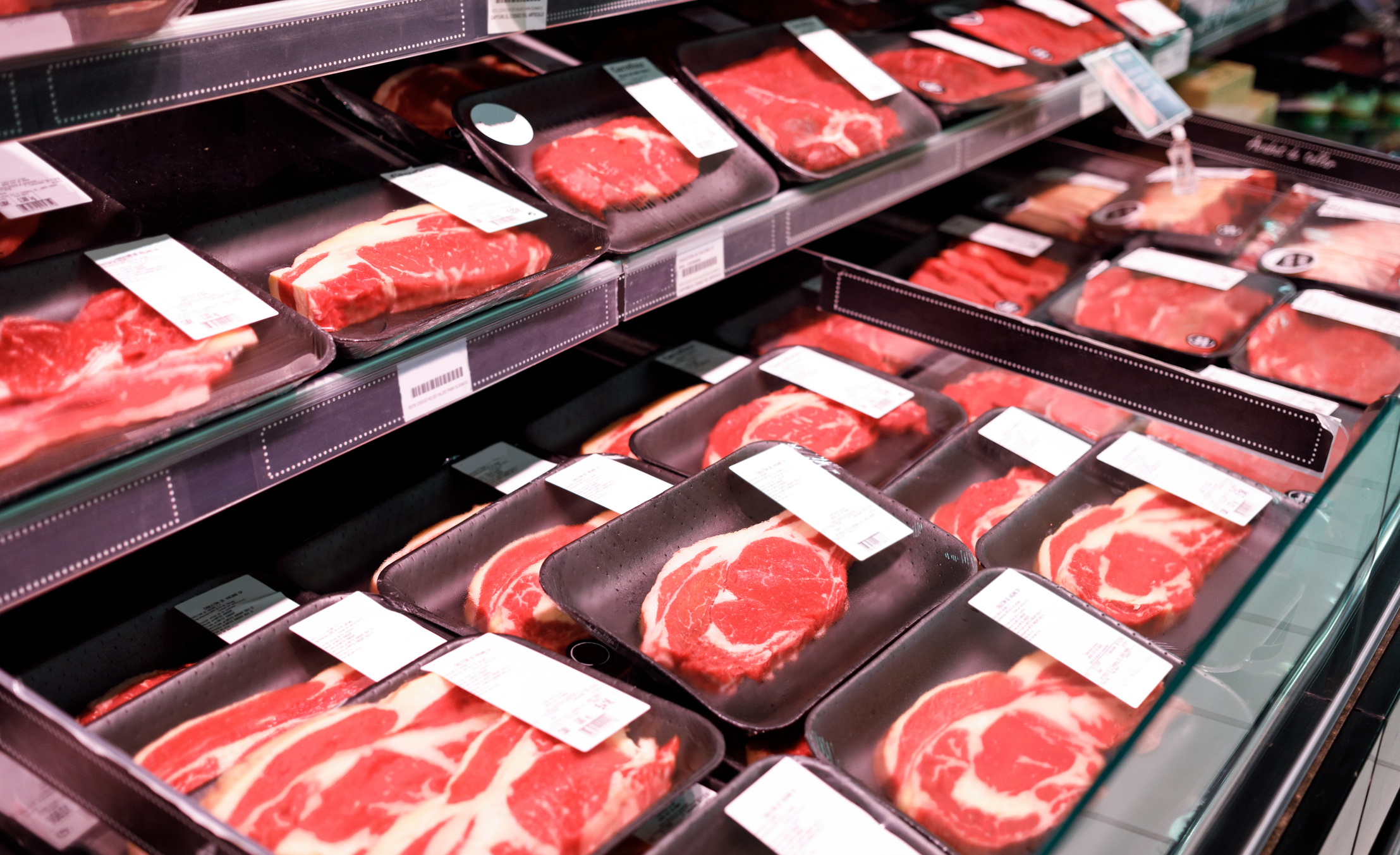


Flooding the market with additional ground beef probably won’t decrease the grocery bill for the average American consumer but it will make growing the U.S. cattle herd more difficult.
When the President announced a plan to allow 300,000 metric tons of additional ground beef into the U.S. without tariffs, it was greeted with outright disgust by cattle producers across the country.
The National Cattlemen’s Beef Association (NCBA) responded to the announcement saying it was “disappointed by the President’s statement” and concerned that “other market interventions throw cold water on the prospect of herd expansion” by sacrificing “long-term stability for short term messaging.”
The statement went on to note, “Cattle markets have already turned sharply lower this morning, to the detriment of farmers and ranchers. This is a critical time of year for cattle producers, as we approach the season where they are making decisions regarding their herds. Cattle farmers and ranchers are responding to strong market signals and historically high demand, and we are already working to rebuild after years of ongoing drought, high input costs and other challenges that have reduced U.S. cattle numbers.”
NCBA’s response was echoed by the American Farm Bureau Federation, the National Farmers Union, R-CALF, the U.S. Cattlemen’s Association, and the Livestock Marketing Association in a rare show of industry wide unity in opposition to the scheme.
To explore what has caused the sharp increase in beef prices since 2020, the American Farm Bureau Federation (AFBF) did an economic review of various factors effecting cattle production. The results of the AFBF analysis show that regional drought-forced liquidation of cattle and a 30% increase in input costs during the last six years have decreased the national herd size to its smallest in more than 70 years while demand for beef has increased as the popularity of protein-heavy diets have risen.
There has been an incremental trend toward ranchers keeping cows for herd rebuilding, but an influx of imported ground beef is likely to further depress falling prices at sale yards, making cattle retention difficult when year-end bills are due. The majority of calves in the U.S. are born in the spring and sold in the fall, making the tariff-free importation of ground beef right now spectacularly ill-timed.
When staring at the potential for less income, ranchers are then faced with the decision to sell more cows, some of which might have been previously considered for holding over as breeding stock for herd rebuilding, further decreasing the national herd.
Recent research suggests about 30% of Americans using their credit cards to pay for necessities like food, gas, utilities, and medical expenses. Poor timing and market slides aside, importing 100,000 metric tons of ground beef a month for the next three months with no tariff is likely to do little to help American consumers. However, it is certain to hit the cattle community in two definitive ways: 1) it will force ranchers to sell more cattle than they want to sell and 2) it will decrease their income during a critical sales period.
This baffling decision from the White House is a no-win situation for consumers and producers and should never have been on the table to begin with. Allowing the market to course-correct is the best to way to fix this trend.