The recent news story about public officials not letting the Ride the Ducks group tour vehicles use bus lanes has renewed a controversy over reserving parts of public streets for transit only. Last year, KOMO TV reported many in the public are unhappy with the government-restricted lanes, including the tagger of the well-known plea, “Metro stop stealing our lanes.” The public response prompted a debate about whether the lanes are working for people or not. After all, Seattle officials promised (here and here) the transit-only lanes would “reduce travel times for all users.” But a new analysis from SDOT officials shows their claims are wrong, revealing the harmful effects the lane takings have had on drivers.
Driving in Seattle is popular. When people commute in Seattle, they choose a car about 60% of the time. Even more use an automobile for other, non-work trips. That’s why many in the public were skeptical when city officials told The Seattle Times they predicted “that general traffic will improve” after reserving the lanes.
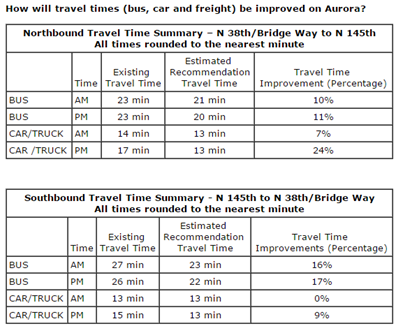
City officials claimed reserving lanes would make commuting 24% faster in the PM Peak heading northbound on a stretch of SR-99 by reducing a 17-minute commute to 13 minutes. They estimated southbound trip times in the evening would drop by two minutes, a nine percent time savings over previous levels (see SDOT projections below).
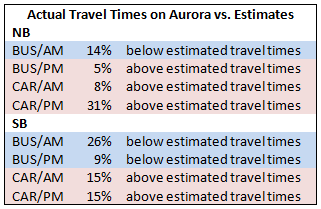
However, a recent official analysis shows that didn’t happen. According to the SDOT report, not only did officials not provide the driving public with quicker trips, but for many people, travel times actually got worse after the policy took away part of the public street. Even bus riders heading northbound during the afternoon commute have suffered longer commute times since officials reserved the public lanes for transit.
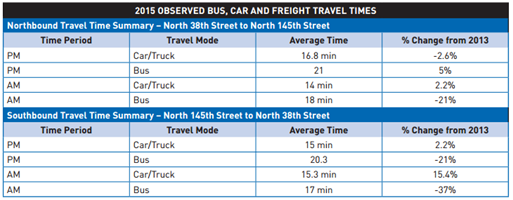
It gets even worse when you compare the actual results to what officials promised. For example, car and freight drivers heading northbound during the PM peak sit in traffic 31% longer than officials said they would. Oh, and good luck driving southbound. During both morning and afternoon peak periods travel times are 15% longer than planners said it would take.
These poor results are not new information to anyone who drives around Seattle. Despite making so-called “improvements,” services to the public just keep getting worse. Remember this the next time officials say taking away public travel lanes is, amusingly, good for them. As KOMO TV reported, “SDOT officials say they are still evaluating how well these dedicated bus lanes work.” According to SDOT’s own analysis, the agency’s policy of taking away public travel lanes works...if the goal is to make living in Seattle more difficult.