



While Washington’s Legislature repeatedly claims it prioritizes “affordable housing,” the Department of Health’s October 2025 Economic Impact Analysis Fee Adjustment Report reveals a different reality. The agency is jacking up fees across environmental health programs, many of which fall squarely on the operators of mobile home parks, manufactured housing communities, and temporary worker housing that provide some of the state’s most affordable places to live.
Consider the temporary worker housing fees under the Washington Administrative Code, WAC 246-358-990. The administrative processing fee jumps from $50 to $170. The per-occupant charge at maximum annual occupancy goes from $4 to $14, a 250 percent increase. The minimum operating license fee climbs from $90 to $310. Late fees more than triple. These are the very facilities that house seasonal agricultural workers and, in many cases, overlap with lower-cost mobile and modular housing options.
Even more punishing are wastewater and on-site sewage system fee increases. Mobile parks frequently rely on large on-site sewage systems (LOSS) because municipal sewers are unavailable. The operator permit base fee rises from $608 to $1,414 in 2026 and then to $2,219 in 2027. The per-gallon design flow fee more than doubles and then nearly quadruples. New or modification project reviews jump from $848 to $3,095. Site inspections for enforcement leap from $1,000 to $3,650. Final inspections go from $500 to $1,825. Proprietary product registrations and tank approvals see similar three- to four-fold increases.
Transient accommodations fees (WAC 246-360-990) see more modest but still noticeable hikes, roughly 16 percent across lodging unit categories, adding yet another layer for parks offering short-term stays.
These are not isolated tweaks. The Department acknowledges that General Fund-State subsidies are being reduced, cost-of-living adjustments from the 2025-2027 budget (ESSB 5167) are driving personnel costs up 3 percent annually, and current fees no longer cover program expenses. The solution? Pass the entire shortfall onto the regulated community through steep fee increases.
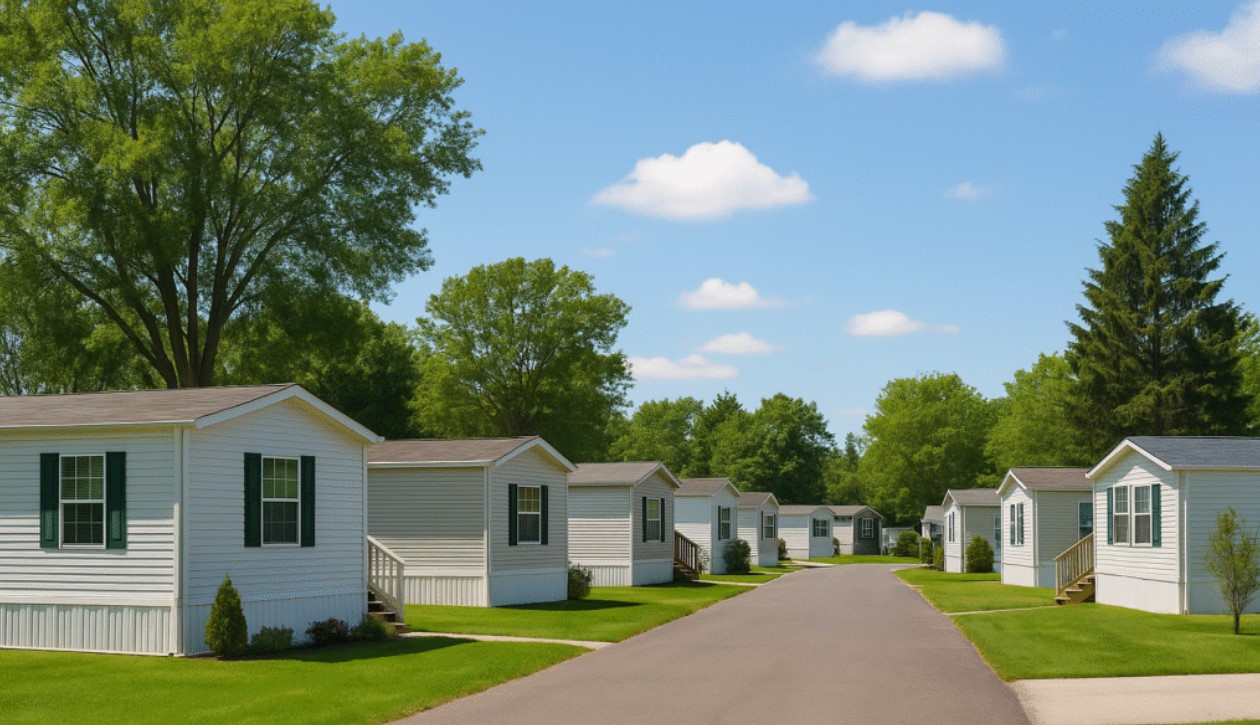
The hypocrisy is glaring. Lawmakers pass housing bills, expand tenant protections, and lecture the private sector about affordability while the same government raises the cost of operating the housing that low- and moderate-income families, seniors, and farmworkers actually use. Mobile home parks, for some, are one of the last remaining sources of genuinely attainable housing in high-cost Washington. Every dollar of additional regulatory cost is ultimately borne by residents through higher rents or by operators who may simply exit the market, further constricting supply.
Instead of reflexive fee hikes, the Department of Health and Legislature should first demonstrate aggressive efficiency reforms, technology improvements, and prioritization of high-risk activities. Until then, these increases amount to an affordability tax on the very housing stock politicians claim to champion.