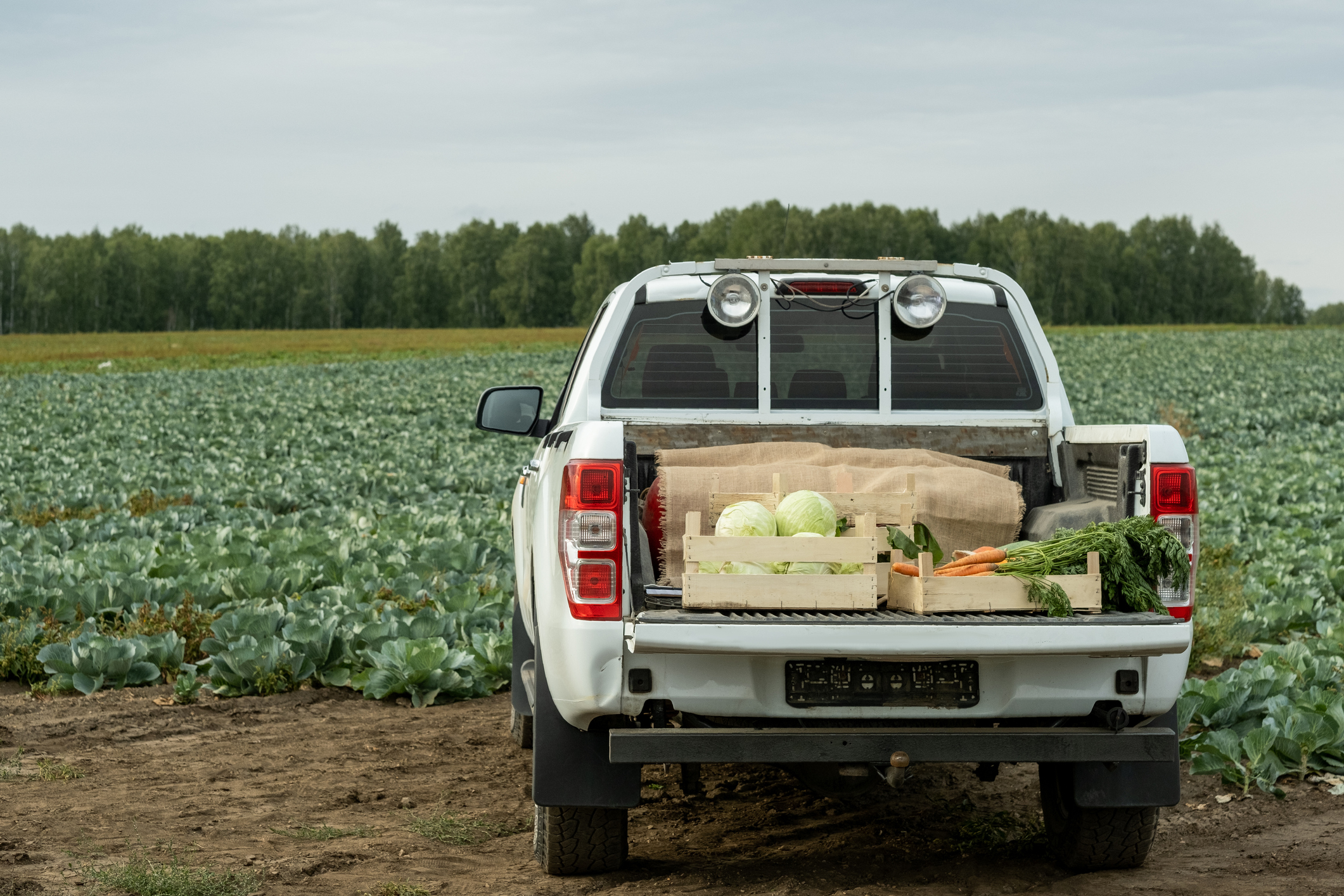




Dusty paperwork, half a dozen ball caps, a few miscellaneous tools, a discarded sweatshirt or three, not to mention some baling twine, equipment parts, and six pounds of dirt in the bed of the pickup. This could be any number of farm or ranch pickups in Washington state. Some might be six months old; others might be 15 years old. When it is time to replace them, based on price and weight, the next one might well be considered a luxury.
The Washington State Department of Revenue started collecting a luxury tax on the sale or lease of all vehicles priced at $100,000 or more July 1. The new tax adds an additional 8% on top of the retail sales tax and the motor vehicle sales and use tax already tacked on to the purchase price. The cost exempt from the tax will inflate 2% annually after 2026.
For our food producers this could add yet another expense to a long list of taxes, fees, and regulations from the state. According to the list of exemptions to the tax, “farm tractors or farm vehicles” not used in the production of cannabis, as defined by RCWs 46.04.180 and 46.04.181, are exempt from the tax as are motor vehicles with a gross weight of greater than 10,000 pounds that are not motorhomes, as defined by RCW 46.04.305. Commercial motor vehicles that require a Commercial Driver’s License under RCW 46.25.010 are also exempt from the tax.
The problem, however, is that a great many farmers don’t drive a three-quarter or one-ton pickup. These days many farmers drive a half-ton pickup when it comes to daily work. Half-ton pickups provide fuel economy, the ability to drive into more areas, and often come from the dealership with sport or off-road packages that allow them to be driven into fields that are difficult to navigate.
The new half-ton pickups that are favored by farmers often come with a hefty price tag, even before tax, title, and license, and do not eclipse the weight limit necessary to avoid the luxury tax. These pickups are both a “daily driver” for their owner and a “farm equipment” purchase, not a luxury.
Three-quarter and one-ton diesel pickups once ruled rural roads, but several factors have shifted how farmers and ranchers approach their driving habits. Larger pickups are now parked until there is a long trip, a need to haul livestock, or something heavier to get somewhere in the truck bed. Saving miles and fuel bills larger, heavier vehicles carry with them, is a choice of economy for Washington state’s food producers who are paying the same price at the pump as everyone else.
The solutions to this problem are simple. The luxury tax on vehicles needs to be amended to include vehicles with a lesser gross weight, a higher price threshold, or both. Rather than setting the gross weight bar at 10,000 pounds, it should be lowered to 7,500 pounds to allow for lighter weight half-ton pickups that are the new standard “work truck” for a good many farmers and ranchers around the state. Additionally, given the increase in price of pickups on the market, the cost threshold should be adjusted upward to $150,000 rather than $100,000.
These minor adjustments to the luxury tax on vehicles ensure food producers don’t have to worry about their vehicle purchases may be considered a luxury rather than a tool of their trade. Any savings that keeps farmers and ranchers putting food on the tables of every family in our state is a savings everyone should be able to support. Farm trucks are not a luxury; they are a necessity to keep our farm and ranch families working.