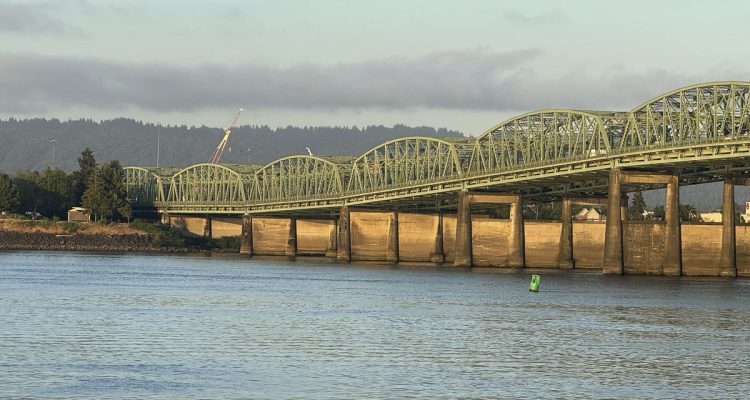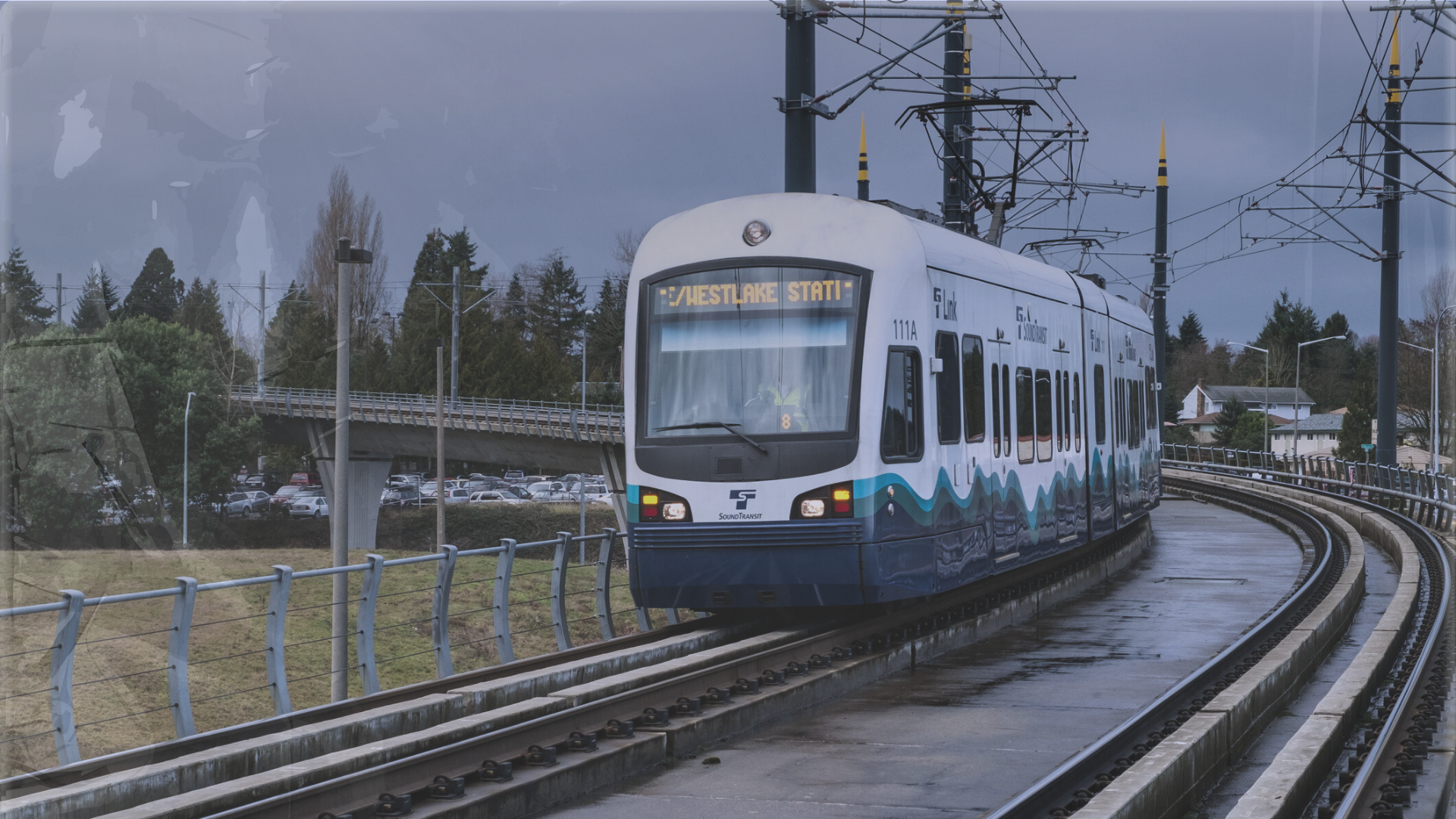


 There are three communities in Washington that are considering buildinglight rail. The Puget Sound region will decide in November whether tospend $23 billion to add another 40 miles to Sound Transit's initialline. Last November Spokane residents voted down a measure that wouldhave allowed public officials to begin planning for a light rail lineconnecting the cities of Spokane and Liberty Lake. And in Clark County,residents are thinking about connecting with Portland's light railsystem across the Columbia River.
Researchshows us that the biggest influence on ridership is density.Nationally, ridership is less than 1% of all commuters at densitiesbelow 10,000 people per square mile. Mode share jumps to 3% withdensities between 10,000 and 25,000 people per square mile. And 8% whenthe density is above 25,000 people per square mile.
What is the density of the three communities considering light rail?
Seattle has a density of 6,907 people per square mile.
Vancouver has a density of 3,449 people per square mile.
Spokane has a density of 3,392 people per square mile.
Liberty Lake has a density of 1,285.
Inother words, cities in Washington do not have the population density tosupport light rail, (at least not enough to justify rail's enormouscosts) In fact, the Puget Sound Regional Council (PSRC) estimates thatif Sound Transit builds its full 125 mile light rail line, it will onlycarry 1.2% of the population.