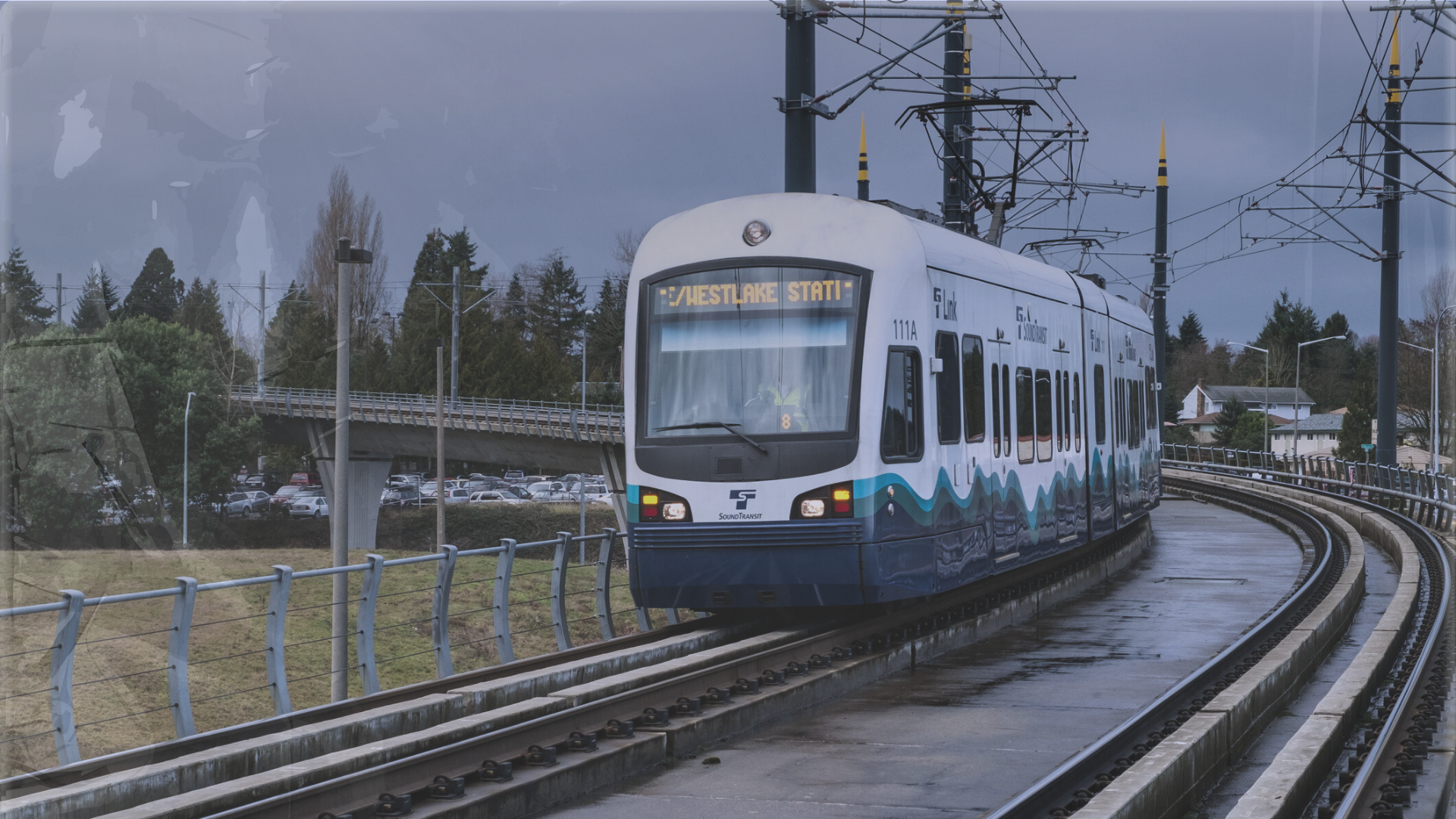


On December 6th Sound Transit will celebrate the opening of three light rail stations in South King County. This is sure to be a festive occasion with a ribbon cutting ceremony and fine-sounding pronouncements by elected officials (never mind the construction delays and hundreds of millions of dollars in cost overruns).
The true test of whether the $2.5 billion project can be considered a success won’t be known until we see if it actually increases transit ridership. It should add some light rail riders (a few anyway) but many riders will simply switch from the Metro Rapid Ride service running parallel to Link that serves the same locations, or former customers on Metro’s 177 express route from Federal Way to downtown Seattle. By the way, the 177 bus takes about 40-minutes to go from the Federal Way Transit Center to 4th and Jackson in downtown Seattle. That’s about ten minutes quicker than Link for the same trip.
It has been politically expedient for Sound Transit to assume that extending light rail lines will increase ridership and accommodate a meaningful share of travel demand in the region. However, ridership trends cast doubt about the effectiveness of rail projects to increase transit mode share.
For example, in 2021 Sound Transit completed a 4.3-mile light rail extension to Northgate that added three stations along one of the highest demand corridors in the region. As can be seen in the table below, by 2024 light rail ridership had increased by a little over five million boardings per year, though total Sound Transit ridership actually fell by more than six million boardings. Rail boosters would probably point out the downturn was due to COVID. No doubt that did have a big impact, but it isn’t obvious that light rail has succeeded in bringing back the riders who left or growing the transit market.
Sound Transit ridership 2019 2024
Link 24,761,684 29,843,190
Sounder 4,612,415 1,916,429
Express Bus 17,494,527 8,737,923
____________ _____________________________
Total 46,868,726 40,497,542
We also need to keep in mind that light rail is only part of the regional transit picture. In anticipation of light rail extensions King County Metro extensively revised their bus routes to serve the rail stations, so it is no surprise that most of the ridership on Link consists of existing bus riders who switched because their routes were truncated or discontinued. To get a clearer picture of how the region’s multi-billion dollar investment is performing we need to look at the net change in transit ridership, and that isn’t a pretty picture.
Metro ridership 2019 2024
Bus 103,435,175 72,304,880
Trolley Bus 17,373,451 11,025,543
____________ ____________________________________
Total 120,808,626 83,330,423
As shown in the table above, in 2024 Metro carried thirty-seven million fewer riders than they did in 2019. Yes, COVID had a lot to do with the steep decrease, but it is also true that Metro lost about six bus riders for every light rail rider Sound Transit gained. Not only is total transit ridership in the region lower today than it was in 2019, it’s also lower than it was fifteen years ago! This suggests that building costly light rail extensions is not an effective way to increase ridership or improve overall regional mobility. The destinations served are too few, the rail lines duplicate existing bus service, most light rail trips are indirect and require transfers, and the public cost is very high, so high that last August Sound Transit was forced to admit the ST3 plan wasn’t affordable.
Faced with cost increases estimated at over $30 billion, the Sound Transit board is beginning an “enterprise initiative” to find ways of making their plan fit within the budget. Statements by Sound Transit board members indicate they are focusing on financial aspects of the plan, but their assessment should also be informed by ridership trends. It is apparent the most productive parts of the system have been completed (or scheduled to begin service within the next year). By comparison, the proposed ST3 extensions are forecast to have much lower ridership, and if history is any guide, those forecasts are on the high side. If the purpose of Sound Transit is to increase regional mobility and total transit ridership, then rather than trying to build light rail extensions that serve limited locations and can’t pass a benefit/cost test, the board should take this opportunity to consider the technologies and flexible services that would be more cost-effective and competitive across the agency’s 1,000 square mile taxing district.
Sound Transit has offered various reasons for sticking with their light rail plan. They would like us to believe the three new stations will reduce traffic on I-5, but the ridership numbers make that very doubtful. The region has spent the last twenty-five years building light rail. On which freeways has that reduced congestion? Answer, none. Light rail has succeeded in taking more riders out of Metro and CT buses than commuters it has taken out of automobiles. The number of cars actually removed from rush hour freeway traffic is very small, not enough to make a significant difference.
It may sound impressive when Sound Transit touts the thousands of riders they hope will use the new stations, but to put that in context it helps to look at transit mode share and how much it will change. In the Puget Sound region residents make a total of about fourteen million trips per day. That’s trips to and from work, school, shopping, etc. Of that total, light rail accounts for less than one percent. After the three new stations are open the percentage will be…still less than one percent. The PSRC 2050 plan forecast that by 2050 light rail’s mode share might rise to all of 2.6%, and that is based on very optimistic assumptions including build-out of the plan Sound Transit now says they can’t afford. Even if light rail mode share does rise to 2.6% it would still be an extremely poor return on the massive $150 billion public investment.
Instead of sticking with such a dismal outcome the Sound Transit board and other policy makers should be looking for a plan that accommodates the other 97% of trips that residents of the region need to make every day. Light rail isn't the answer.