
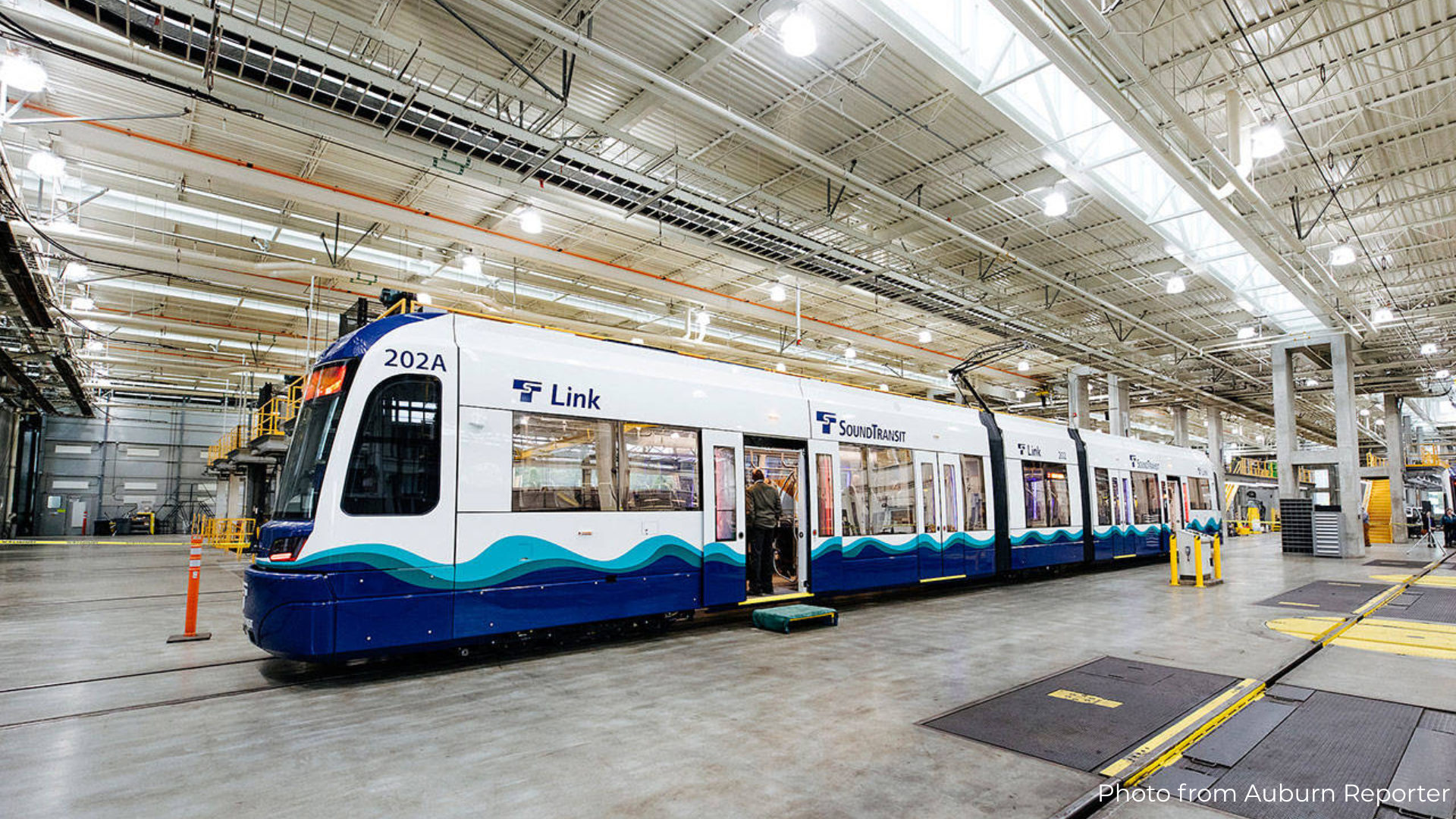

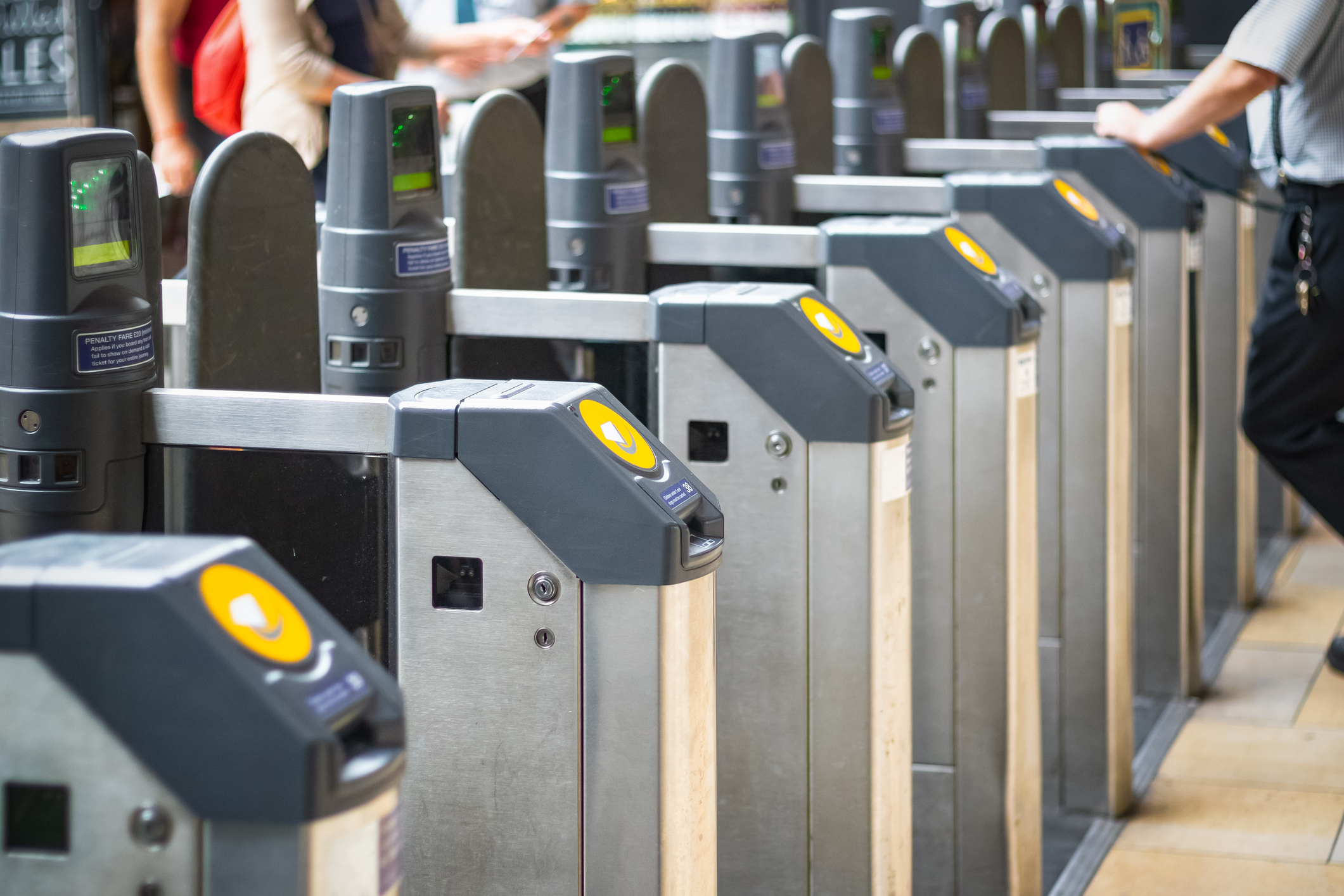
The legislature has been very accommodating when it comes to public transportation. State law allows the creation of six types of transit authorities, and thirty-two local or regional agencies now operate in Washington. In recognition of widely varying needs and support for transit, the legislature left the level of taxation up to local voters.
In contrast, state transportation revenues, mostly fuel taxes and license fees, have historically been directed to building and maintaining the state highway system. The emphasis on the state highway system was further mandated by passage of the 18th amendment to the state constitution which requires, “All fees collected by the State of Washington as license fees for motor vehicles and all excise taxes collected by the State of Washington on the sale, distribution or use of motor vehicle fuel and all other state revenue intended to be used for highway purposes”.
For many decades the clear distinction between state and local responsibilities guided budget decisions, but in recent years state transportation budgets have blurred the division between the state and local responsibilities. This is visible in state funding for transit, which has steadily increased rising to $364 million in in 2024. That is less than eight percent of the $5.7 billion in total transit agency revenue for 2024, but it is also $364 million the legislature didn't spend on maintaining state highways and bridges.
State transportation budgets always represent a tug-of-war among competing interests, and spending priorities have grown increasingly diffuse as the legislature has expanded the state's policy goals. For example, in 2008 the legislature adopted targets for reducing vehicle miles traveled (VMT). This prompted transit lobbyists to suggest expanding state subsidies as a means of increasing ridership and presumably reducing the amount people drive. The legislature was obliging and increased funding available through the Regional Mobility Grant program.
So, what has been the return on the mobility grants provided by the state? WSDOT’s Regional Mobility Grant Program Performance Report, WSDOT Mobility-Report-PublicTransportation2025.pdf, provides information that helps answer that key question. The report lists thirty-five projects that received grant funds from 2013 through 2025. The total amount awarded was over $130 million, with another $39 million committed through the 2025-2027 biennium for projects still being implemented.
In the report an estimated (expected) reduction in vehicle miles traveled (VMT) is shown for the first year and fourth year following implementation of each project. The report also provides data claiming to show the actual reduction in VMT in the first year of implementation, and for some of the projects, VMT reduction in the fourth year.
Of the thirty-five projects:
- 24 failed to meet the first year VMT reduction estimate
- 13 fell more than 50% below the first-year estimate
- 12 failed to meet the fourth-year estimate
- 18 failed to report fourth year results (even though ten of those had been in operation for four years or more)
- Only 3 out of 35 reported actual VMT reduction at or above the level estimated for the fourth year
The report does not describe the methodology used to forecast expected VMT reduction or for calculating the “actual” reduction for the years where that information is provided. In some instances, the reported results look suspicious. For example, the report says that Yakima Transit’s installation of 20 passenger shelters in 2019 resulted in a VMT reduction of 270,419 miles the first year and 155,579 miles in year four. Passenger shelters are a nice amenity, but they typically do more for the comfort of existing riders than they do to shift trips from automobiles to transit.
Similarly, Kitsap Transit estimated its Wheaton Way Transit Center project would reduce VMT by 485,881 miles in its fourth year of operation, and the report shows an even more impressive reduction of 958,207 miles. Using the pandemic year of 2020 as the baseline provided a low starting point for comparison, but curiously, by the fourth year system-wide bus ridership had only rebounded by about eight percent, which is far less than the near doubling of VMT reduction claimed in the report.
It is also unclear what service would have been provided absent the grants. Looking at the list of projects it appears likely that most would have been implemented anyway, though perhaps not as soon as they were with the grant funds. Therefore, it is not possible to determine how much (if any) total VMT actually changed as a result of the grant program.
What the data does show is that total transit ridership in the state fell by nearly 20% over the last ten years. This suggests that transit was not very effective in reducing VMT. In any case, it is clear that overall performance of the program has fallen far short of the benefits estimated in the project submittals. This raises the question of whether the Regional Mobility Grant Program has been cost-effective for increasing ridership, reducing VMT, or advancing other state transportation goals.
The Governor’s proposed supplemental budget for 2026 includes additional funding for the Regional Mobility Grant Program. Before the legislature adds that funding into the state budget, they should consider whether the program has produced a positive return on the state's investment. Given the billion-dollar per year shortfall in state transportation funding the legislature would also be well advised to focus on needs that are clearly an obligation of the state (such as maintaining the state's crumbling highways and bridges) rather than subsidizing services that are appropriately the responsibility of local and regional agencies that already have dedicated revenue sources. Information in the Regional Mobility Grant Program performance report makes that an easy decision.