


For the second year in a row, the legislative majority in Olympia is treating Washington's pension funds like a piggy bank to paper over their spending problems.
Last session, lawmakers passed ESSB 5357, which raised the assumed rate of return on pension investments from 7.0% to 7.25% and took a four-year holiday from paying down unfunded liabilities in PERS 1 and TRS 1. Those accounting maneuvers created an estimated $6.5 to $7 billion in future costs that didn't exist before. This session, they're back for more.
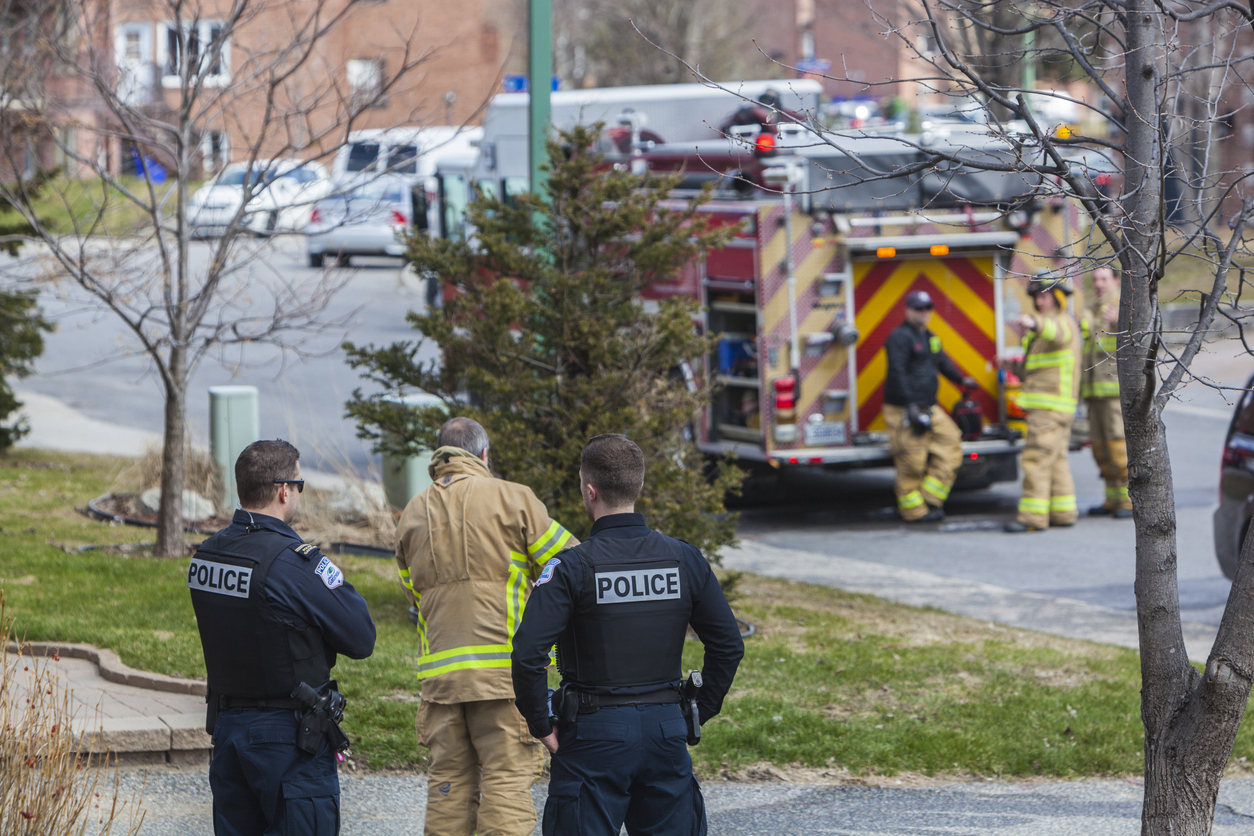
HB 2034, which passed the House of Representatives last week, raids $4 billion from the Law Enforcement Officers and Firefighters (LEOFF) 1 retirement fund surplus. The bill would terminate and restructure the plan to unlock those assets so lawmakers can divert the money for general fund expenditures and to boost the Climate Commitment Act (CCA) account.
State law states plainly that the purpose of the LEOFF pension fund is "to provide for an actuarial reserve system for the payment of death, disability, and retirement benefits to law enforcement officers and firefighters, and to beneficiaries of such employees." In layman’s terms, the assets in the LEOFF 1 fund are for the exclusive benefit of its members.
Ignoring the plain language of statute seems to be a habit for the current majority, whether it's the constitutional prohibition on income taxes or the purpose clause of a pension fund.
Rep. Joe Fitzgibbon assured colleagues on the House floor that "every nickel" owed to LEOFF 1 members will still be paid. That's not the reassurance he thinks it is. Pension benefits in Washington are constitutionally protected under Bakenhus v. City of Seattle. The legislature could drain every pension fund in the state and retirees would still get their checks; the obligation would just shift to the general fund. Saying beneficiaries will still be paid isn't a justification for raiding the trust, it's a description of the legal backstop that exists precisely because lawmakers have always been tempted to do exactly this.
LEOFF 1 was closed to new members in 1977. There are roughly 5,900 annuitants remaining and fewer than ten active members. When the last beneficiary passes, that surplus will revert to the state. This does not give lawmakers license to start spending it today, however, because the plan's obligations are not yet fulfilled.
There's also a practical concern that shouldn't be overlooked. LEOFF 1 has been non-contributory for 25 years, meaning the plan has had zero member or employer contributions since June 2000. Draining the surplus now introduces real risk. If markets underperform or medical costs spike, the plan could find itself back in a position where contributions are needed. Reopening that door after a quarter-century of the plan funding itself would be an incredible failure of stewardship.
This is the second straight session where the majority's answer to a budget shortfall is to go rifling through someone else's pockets. Last year, lawmakers relied on accounting gimmicks with the assumed rate of return and contribution holidays. This year, they want the retirement trust of retired cops and firefighters. The spending created the deficit. Retirees shouldn't be the ones paying for it.