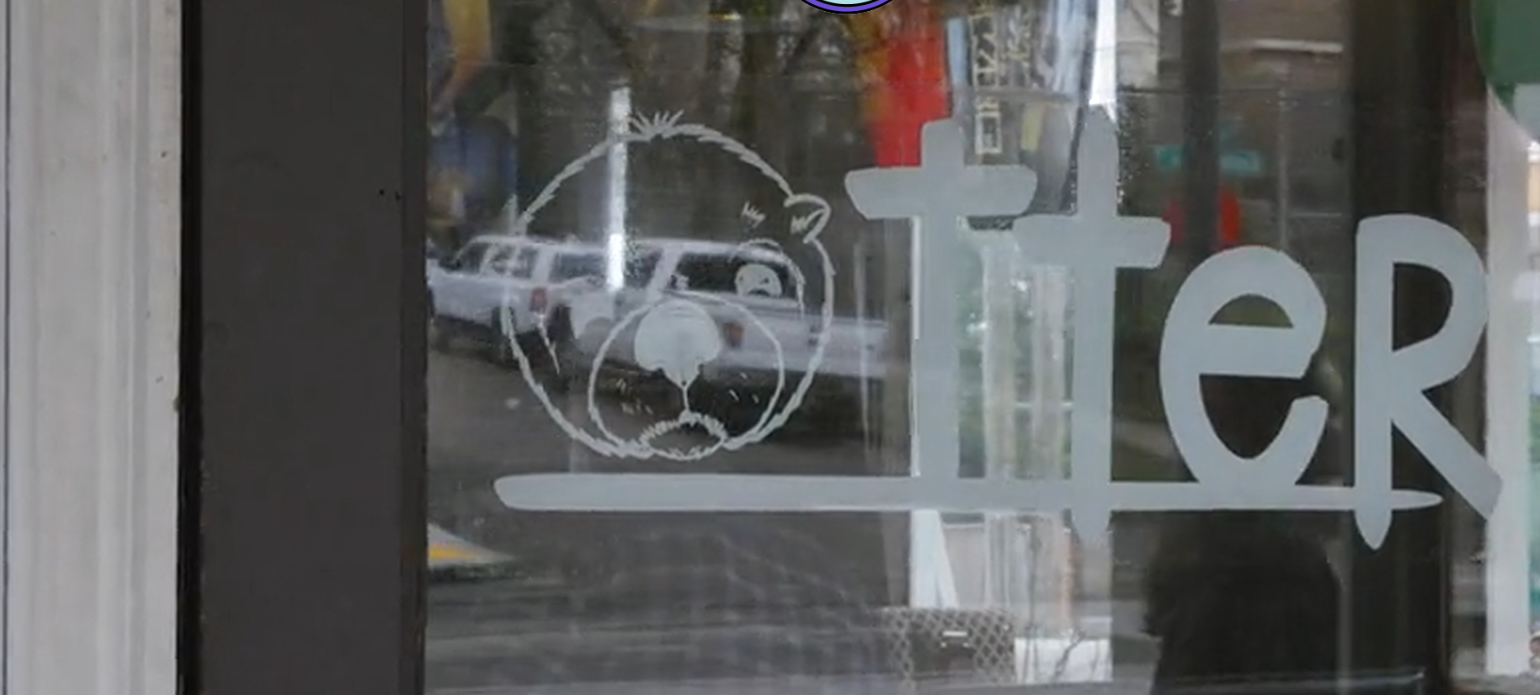



The closure of Otter Bar & Burger in Seattle's Eastlake neighborhood is being blamed on prolonged construction and rising costs. But the real story is that Seattle policymakers were warned this would happen and moved forward anyway.
The owners, Lisa Wojnar and Jim Hagander, survived the pandemic and had returned to profitability. According to the owners, their struggles accelerated when construction on the RapidRide J Line project disrupted access, eliminated parking, and dragged on for years. Eventually, they concluded they could not survive another year of construction and chose to close rather than renew their lease.
This outcome should not surprise anyone. Seattle has developed a pattern of pursuing large transportation projects while discounting the cumulative impact on small businesses. City officials often point out that businesses technically remain accessible during construction. Yet accessibility on paper is not the same as accessibility in practice. When customers cannot easily park, navigate detours, or even recognize that a business remains open, revenue inevitably suffers.
This effects small business more than a big box grocery store since they are more reliant on street side parking than a store with its own parking lot.
What is most troubling is that Seattle had a recent case study available. Businesses along the RapidRide G Line corridor reported similar hardships during construction. Despite those experiences, Eastlake business owners found themselves facing many of the same challenges.
No one disputes the need to maintain infrastructure. Water lines must be replaced, roads repaired, and transit improved. The question is whether city government has a responsibility to minimize the economic damage its projects inflict on existing employers. In the case of Eastlake, that balance appears to have been lost.
Every time a locally owned business closes, Seattle loses jobs, tax revenue, and the unique character that makes neighborhoods attractive in the first place. The closure of Otter Bar & Burger is not merely a business failure. It is evidence that the city continues to underestimate the cost of its own policy decisions.